
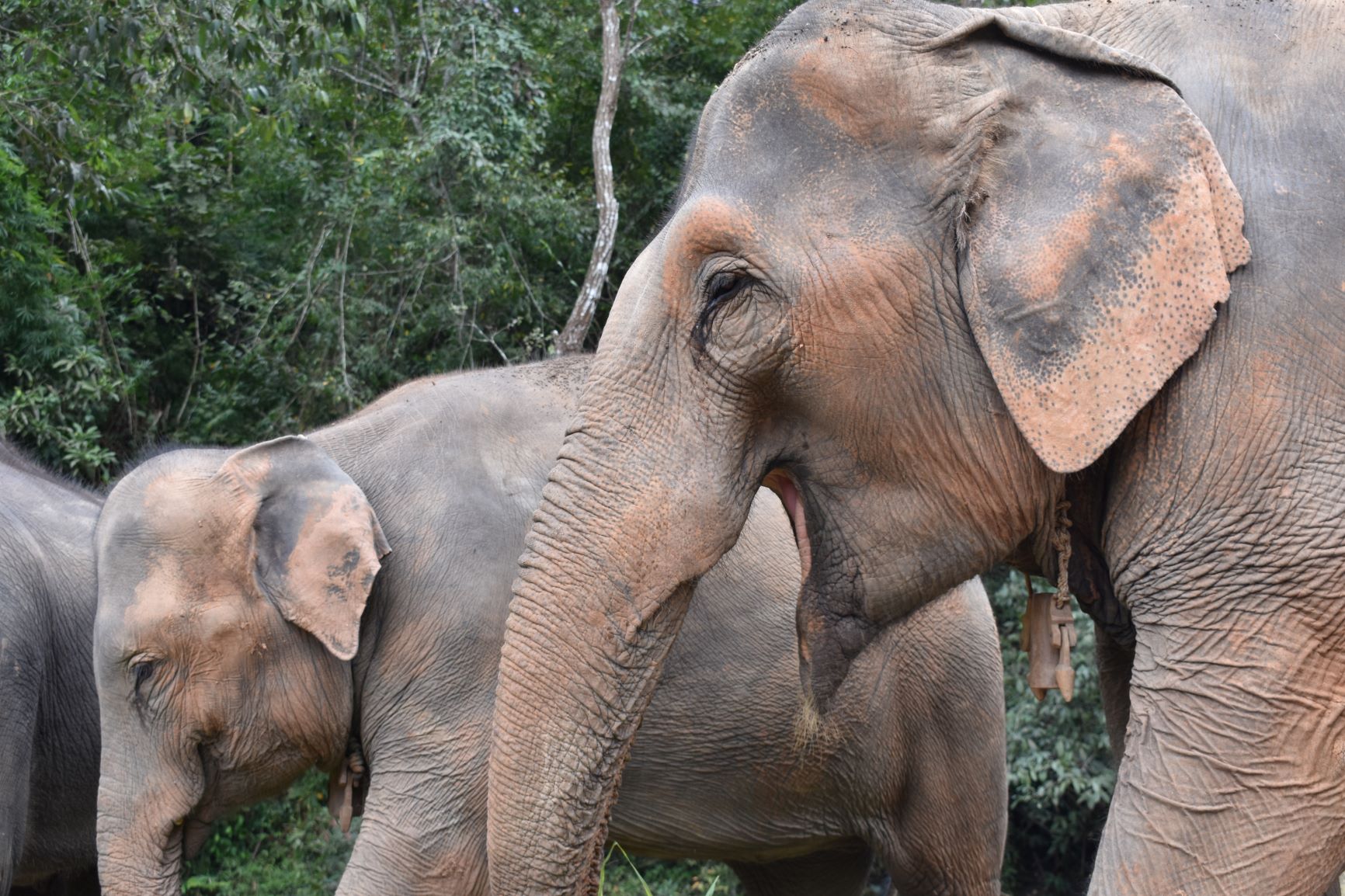
Thailand is known for its pristine beaches and jaw-dropping natural landscapes. Adventure-seekers and holiday travelers alike flock to Thailand for the beauty it offers. Visitors are also drawn to the country for its vast array of wildlife like elephants and tigers that may be in accessible or nonexistent at home.
Beloved elephants in particular have been in the crux of Thailand’s animal tourism for years. These gentle giants are often rescued and rehabilitated in environments akin to their natural habitats called ‘sanctuaries’. In part due to habitat loss, the elephant population in Thailand has come to increasingly rely on the help of humans to provide for them. While Thailand has around 3,000 wild elephants, the Thai government estimates that an additional 3,000 elephants live in sanctuaries where mahouts, local elephant keepers tend to one or more elephants everyday.
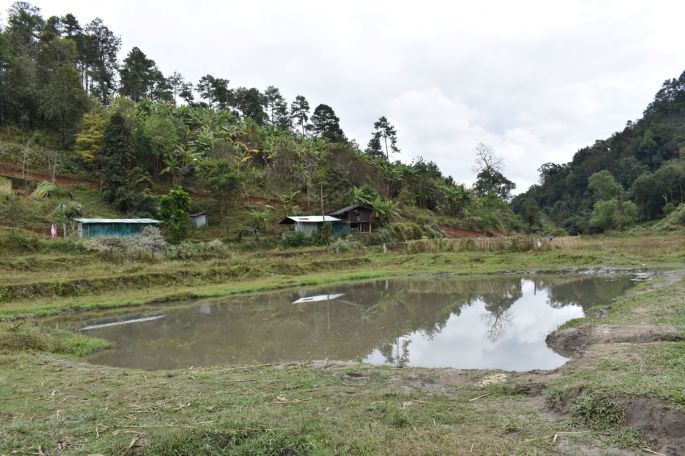
However, as tourism continues to increase in Thailand, the demand for close interaction with elephants follows suit. Unfortunately, it is estimated by EleAid that 70% of elephants in sanctuaries are mistreated.
From personal experience, I paid a visit to the Elephant Jungle Sanctuary near Chiang Mai in northern Thailand. After researching reviews of the sanctuary against ‘classic’ sanctuaries like the Elephant Nature Park, it appeared to be mostly positive.
During the visit, the elephants appeared cheerful as they eagerly waited to be fed bamboo and sugarcane. After being warned that many cases of strong handling can occur when tourists are not looking, I made sure to observe keepers interactions with the elephants during transition times as visitors moved to another part of the sanctuary. All seemed well except when I noticed a keeper hit (closed fist) the elephant from behind as it veered from a main trail. Surprised, I began to ask other tourists of their impressions of the sanctuary. Many seemed pleased with the experience, but noted that some prior research suggested many incidents of elephant mishandling occur in the evening when most tourists are gone.
Although my experience is anecdotal, I feel it underscores the need to think beyond reviews about the implications of supporting sanctuaries. Although many locals express the need for sanctuaries due to the otherwise exorbitant cost to care for elephants– the money generated by visitors is essential to the care of these animals. Therefore, it is critical that visitors do their research in addition to publicizing information about their experiences in sanctuaries across Thailand to try and increase the standard of care for elephants in Thailand (as well as across Southeast Asia/Africa). Tourists can protect the welfare of these beautiful animals among others in Thailand (and beyond) by advocating against animal mistreatment.


I believe that I visited one of the ‘better’ sanctuaries in Thailand known for a higher than normal quality of animal care. If this is indeed true, then I argue the standard of animal care is not high enough. It is up to tourists to demand evidence of ethical treatment for all elephants in sanctuaries across Thailand (and Southeast Asia/internationally).
Note: The purpose of this article is to raise awareness. My overall experience at the EJS sanctuary was wonderful outside of one incident that I described above.

 Stampchaser Photography