

There’s a strange honesty that only happens when you’re far from home that can fundamentally change you.
You walk into a subway in a foreign country with a currency that is not your own.
You nearly miss the last bus en route to rural Japan.
You are quickly humbled by being lost.
You feel both lost and strangely free. This happens when standing in a train station in a country whose language you barely understand. You’re no longer anyone’s friend, colleague, or neighbor. You are just a person moving through space. You are unrestrained by perceptions of how others who know you view you. And in that freedom, something shifts: you begin to see the story you’ve been living more clearly. From a distance as you look inward.
As you move through alleyways in South Korea while passing local shopkeepers, you feel emboldened. Climbing a mountain to reach a temple also expands your self-perception.
We all carry stories that once made sense — about who we are, what we want, what we fear. Yet, I would argue that travel challenges a lot of the perceptions that we carry about ourselves. By going out of your comfort zone, you are nudged to reconsider your norms and core beliefs. Stepping away from the mundane also makes you reevaluate your sense of normal and who you are.
Over time, those narratives solidify. They protect us, but they also confine us if they go unchallenged. Psychology calls this narrative identity — the ongoing story we tell ourselves to make sense of our lives. But what happens when that story no longer fits or we accidentally go beyond who we think we are?
In these moments, travel often becomes the catalyst and we learn to integrate these identity shifts.
Without familiar roles or routines, we confront the discomfort of our being as it is rewritten across our own understanding.
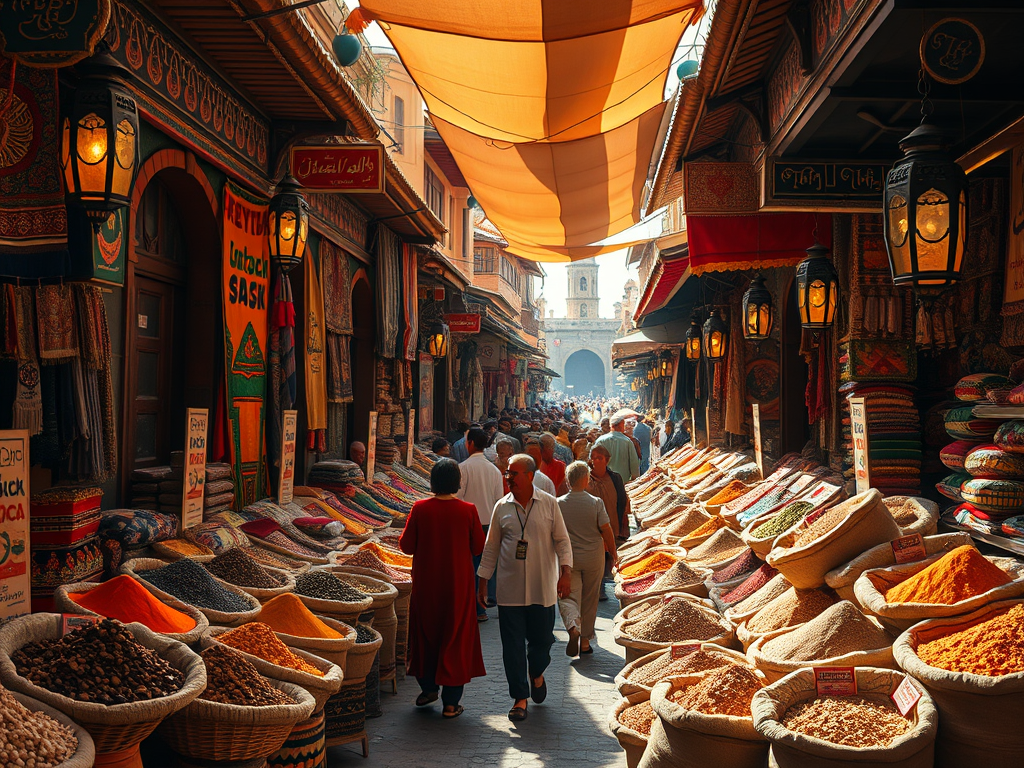
For example, as I landed in Marrakesh, Morocco, I was overwhelmed. At that time, I considered myself a relatively-experienced traveler. I had previously felt comfortable abroad. I believed I was, to some extent, beyond culture shock. Marrakesh proved me wrong. The winding souks were wonderful. The vibrant colors and vivid smells as people passed challenged my sense of ‘cool collectedness’. For the first time in my history as a traveler, I recalled feeling uncertain and internally shaken. My sense of self was challenged. However, psychology points to how we can have the ability to re-orchestrate our narratives.
In therapy and psychology, narrative reconstruction involves re-authoring your story. It means reshaping old memories or beliefs so they align with who you’ve become.
Travel does this naturally:
Each border crossed is a mini rewrite and loads of new sensory input.
Each conversation with a stranger reframes and extends your belief systems.
As I made my way through maze-like souks, I restructured how I would eventually relate to the world. As I leaned into discomfort, I expanded my comfort zone, which allowed my curiosity to flourish.
Philosophically, integration means accepting all parts of the self — even those we once rejected or hid. Initially, I was overwhelmed and rejected my self identity as the ‘experienced traveler.’ I was humbled. Consequently, my sense of self expanded.
I believe that travel accelerates this because it strips away certainty. It invites us to meet every version of ourselves, especially as it changes with continued experiences. We meet the confident and the lost, the joyful and the anxious within us. We learn to let them coexist.
 Stampchaser Photography